
Before drawing a single plan, we take the time to understand: how many people, for what uses, within what working culture. This close reading avoids both oversizing and shortfall, and grounds a realistic brief.
Workplace strategy & audit
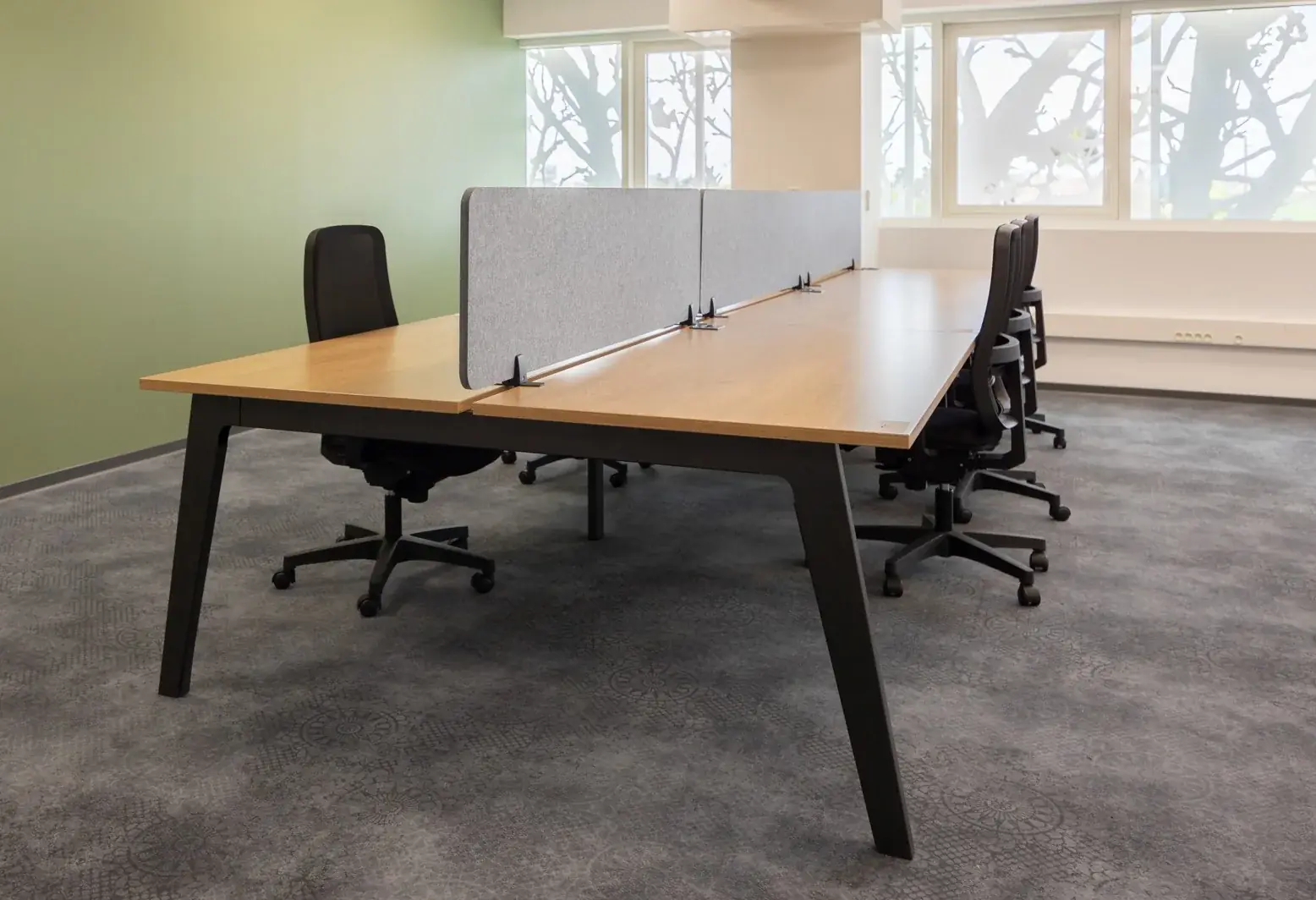
Understand before drawing.
From this audit comes a clear roadmap — areas, space types, priorities — that acts as a compass for the whole project, from concept through to site.
This stage is not an optional extra: it is what prevents expensive mistakes and saves time across the whole project. Framing the question properly is already half the answer.
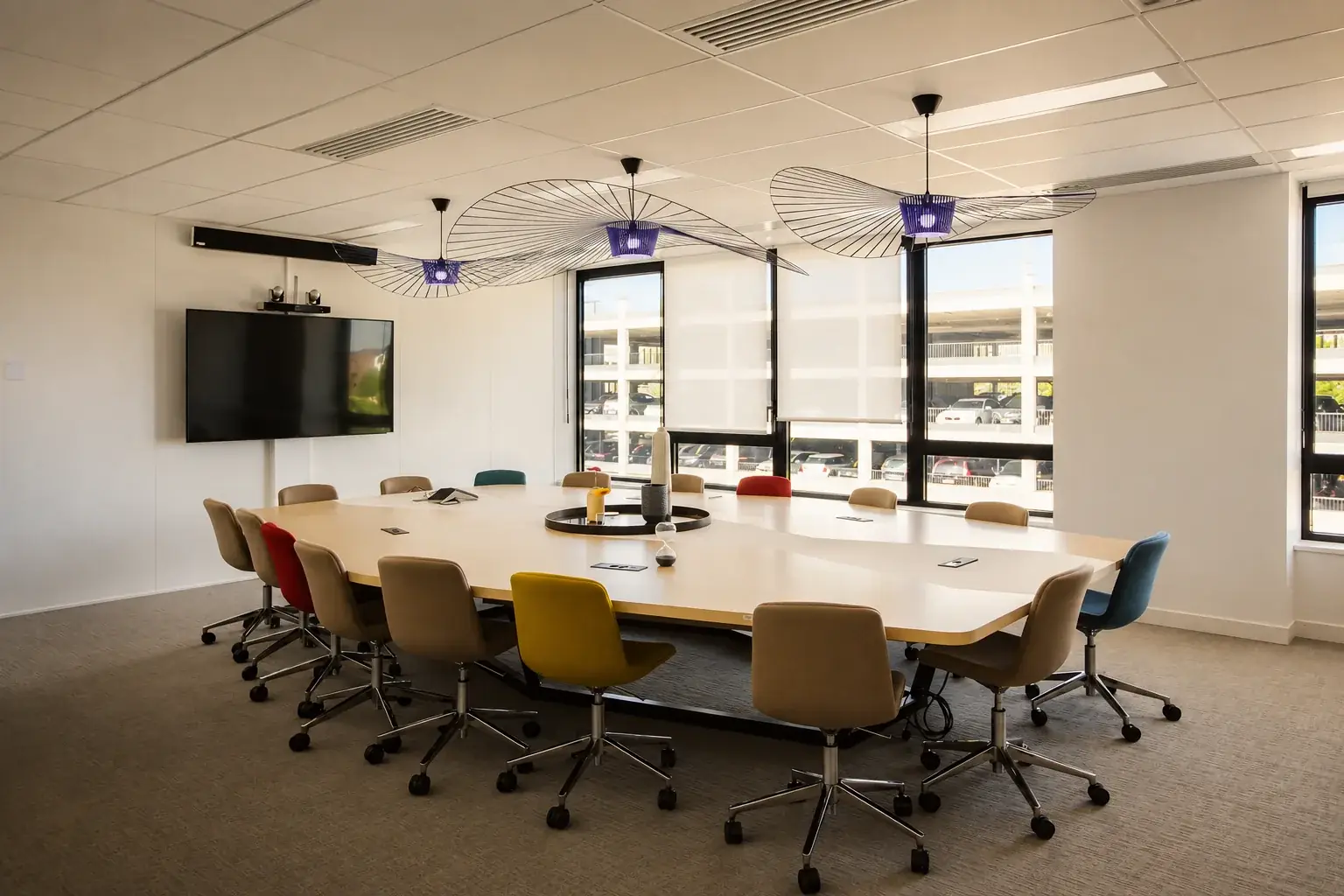
Understand before drawing.
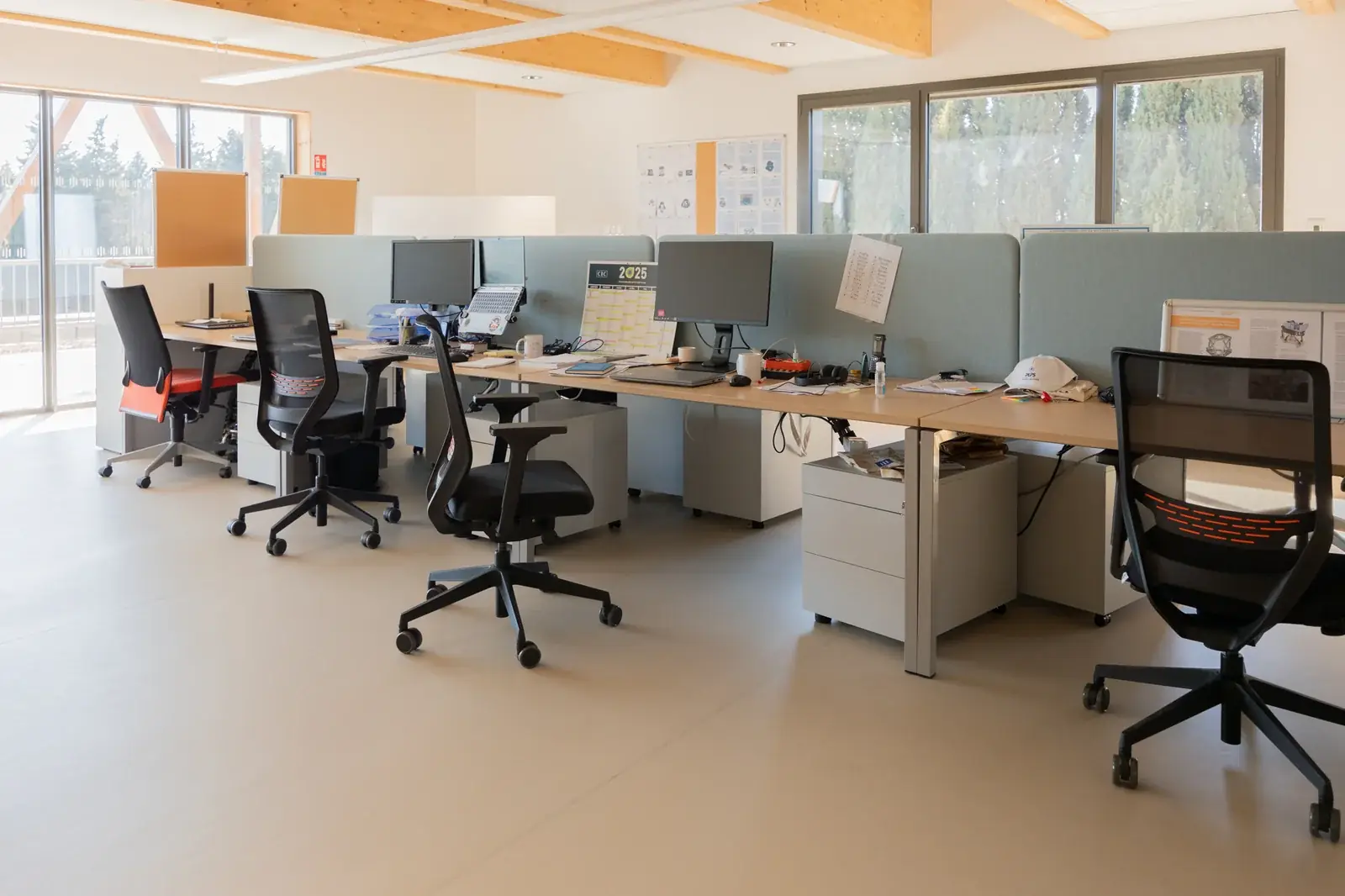
A fit-out project rarely begins with a desire for architecture. It begins with a situation: teams that are growing, a lease coming to an end, spaces that no longer fit, an organisation that has changed faster than its walls. Our first job is to listen to that situation before answering it.
We measure the floor areas, observe circulation, and count the desks actually in use across the week. We meet the leadership, but also the people who live in the place day to day, because the needs voiced in a meeting are never quite the ones that use reveals. This double reading produces a faithful picture of what exists, with the friction points everyone has learned to live with and the resources nobody is using.
Then comes the time for hypotheses. Stay and transform, or relocate? How much space is really needed once the uses have been rethought from scratch? We build several layout scenarios, each costed, each with its concrete consequences for comfort, budget and room to grow. You decide on tangible evidence, not on a hunch.
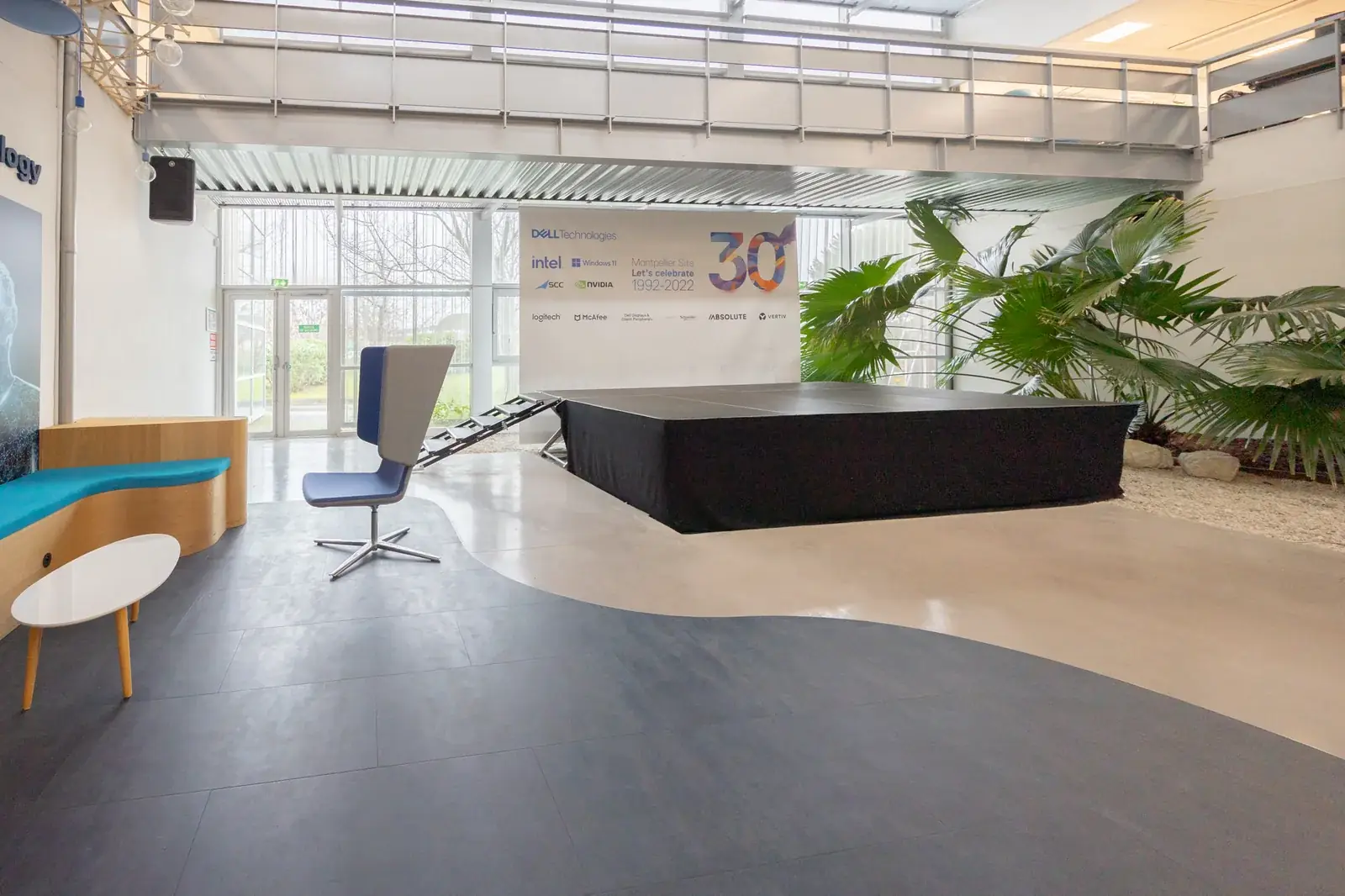
A brief that holds over time.
The document that comes out of this phase is not spectacular: no renders, no mood boards. It is a brief — a roadmap setting out the number of desks, the space types, the priorities and the constraints to respect. That picture-free document is nonetheless the one that decides whether the project succeeds.
It serves as a compass for everything that follows: the concept, the technical studies, the site, the furniture orders. Every time a question comes up — and hundreds do — the answer is already there. That is what prevents rushed decisions mid-construction, the kind that cost dearly and leave a mark.
Done properly, this upstream phase takes a few weeks. It saves months.